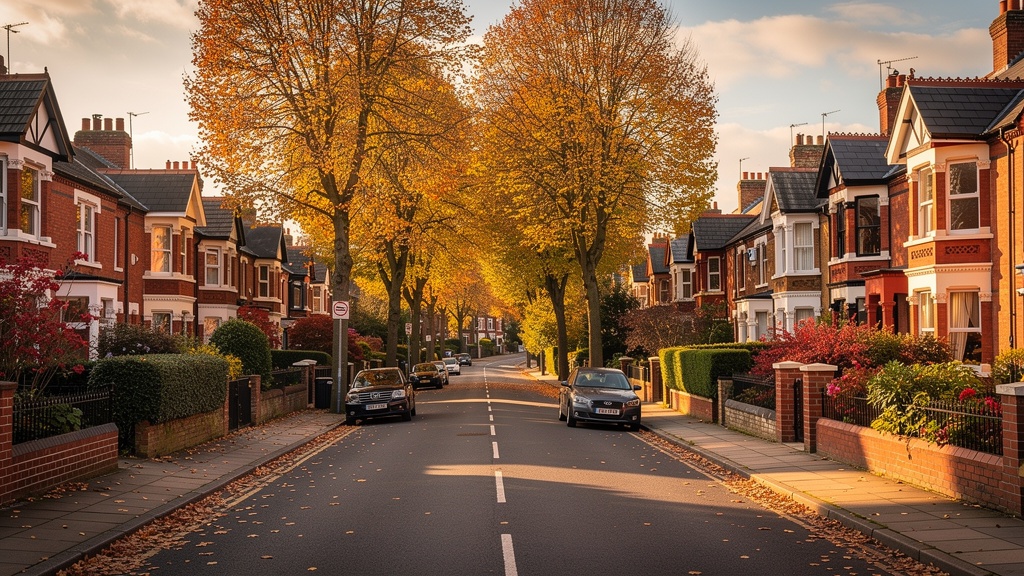
I've lived and worked in Wolverhampton for most of my adult life. I've surveyed thousands of properties in this city — Victorian terraces in Blakenhall, inter-war semis in Oxley, new-build flats near the city centre. I know this property market in a way that only years of hands-on experience can give you. And I think it deserves an honest guide that goes beyond the polished estate agent brochure.
This article is my personal take on buying property in Wolverhampton — the opportunities, the pitfalls, and the local knowledge that our surveyors carry in their heads every time they walk into a West Midlands property.
In This Article
The Wolverhampton Property Market: An Honest Assessment
Wolverhampton has always offered better value for money than Birmingham — house prices here are typically 20–30% lower for comparable properties. That makes it genuinely attractive for first-time buyers, investors, and those relocating from pricier parts of the country.
The market has been active in recent years. Strong demand from buyers priced out of Birmingham, combined with ongoing investment in the city centre and transport links (including the Midland Metro extension), has pushed prices upward in certain neighbourhoods. Areas like Tettenhall, Penn, and Compton attract premium prices, while Bilston, Heath Town, and Whitmore Reans remain accessible entry-level markets.
In 2025/26, the average house price in Wolverhampton sits around £185,000–£210,000, with considerable variation by area, property type, and condition. A three-bedroom Victorian terrace in good condition in a mid-range Wolverhampton neighbourhood typically trades at £150,000–£185,000.
Key Areas to Consider in Wolverhampton
Tettenhall & Compton (Premium)
Tettenhall is Wolverhampton's most sought-after suburb — leafy, semi-rural, with excellent schools and a strong sense of community. Property here commands significant premiums: detached houses often sell for £350,000–£600,000+. If you're considering Tettenhall, a Level 3 survey is strongly advisable for any property over 100 years old.
Penn (Mid-Range)
Penn is a popular area for families — good schools, decent amenities, a mix of property types. Three-bedroom semis typically sell at £175,000–£250,000. The housing stock is mostly inter-war and post-war — generally more straightforward to survey, but damp and flat roof issues on extensions are common findings.
Bilston & Wednesfield (Value)
These areas offer some of the most affordable properties in the Wolverhampton area — terraced houses often sell for under £130,000. They're attractive to investors and first-time buyers, but the older housing stock means a thorough survey is particularly important. Rising damp, ageing electrical systems, and flat roof extensions are all common issues we find in these areas.
Wolverhampton City Centre
City centre apartments and conversion properties have seen growing interest, particularly from young professionals attracted by amenity and transport links. Leasehold considerations (service charges, lease length) and building-specific defects need careful attention here.
Property Types in Wolverhampton: What You're Likely to Find
Wolverhampton's housing stock broadly divides into the following categories:
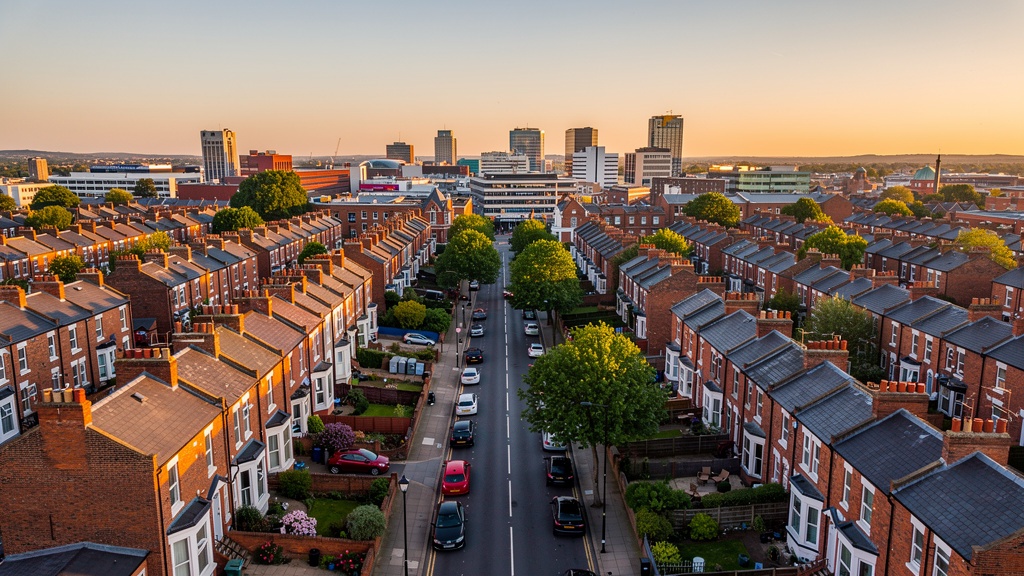
- Pre-1900 Victorian terraces: Characterful, solid brick, but requiring careful survey attention due to age. Common issues include damp, deteriorated drainage, and roof condition.
- 1900–1939 Edwardian and inter-war semis: Generally good quality construction. Watch for flat roof extensions, rewiring requirements, and window replacement.
- 1945–1970 post-war housing: Varied quality. Some estates used non-traditional construction methods (no-fines concrete, prefabricated panels) that require specialist attention.
- 1970s–2000s volume housing: Generally less character but more straightforward maintenance. Still worth surveying, though Level 2 is usually sufficient.
- Modern new builds (2000–present): Well-regulated under Building Regulations but not immune to defects. A new build snagging survey is always worthwhile.
What to Watch Out For When Buying in Wolverhampton
As someone who has surveyed thousands of local properties, here's my personal list of the things to watch for in Wolverhampton specifically:
- Subsidence: Certain parts of Wolverhampton have a history of ground movement — particularly areas near former collieries. Always check the coal mining search with your solicitor, and be alert to diagonal cracking patterns in older properties.
- Asbestos: Properties from the 1930s–1980s may contain asbestos-containing materials (ACMs) in textured coatings (Artex), floor tiles, roof sheets, or insulation. We flag suspected ACMs in our reports for further investigation.
- Back-addition extensions: The characteristic back-addition of Wolverhampton Victorian terraces is a charming feature — but also a common source of flat roof problems and damp if not well maintained.
- Electrical wiring: Older properties often have outdated electrical systems that need full rewiring. This is not something we can test as part of a building survey, but we recommend a qualified electrician carries out an Electrical Installation Condition Report (EICR).
Why a Survey Is Particularly Important in Wolverhampton
Given everything I've described above — the age of the housing stock, the prevalence of extensions and alterations, the specific local issues around subsidence and construction methods — Wolverhampton is precisely the kind of city where skipping a survey can be seriously costly.
Every year, our team at Wolverhampton Surveyors finds significant issues that buyers wouldn't have known about: serious damp problems concealed behind fresh decoration, roof timbers with wet rot, deteriorated flat roof extensions, and occasional structural movement. In almost every case, these findings have given buyers either negotiating power or the knowledge to walk away from a problematic property.
A RICS Level 2 HomeBuyer Report starts from £350 for a standard Wolverhampton property. That's a small investment relative to the scale of the purchase — and could save you far more in unexpected repair costs.
FAQs About Buying in Wolverhampton
Yes, it offers genuine value compared to Birmingham and the wider South East, with improving transport links, ongoing regeneration, and a strong rental market. Like any location, the key is selecting the right property in the right area — which is where a good survey and local knowledge are invaluable.
Tettenhall, Penn, Wombourne, and Codsall (just outside the city boundary in South Staffordshire) are consistently popular with families due to good schools and green spaces. Within the city, Perton and Oxley are also popular choices.