Survey Findings

Buying your first home in Wolverhampton is one of the most exciting — and daunting — things you'll ever do. There's the thrill of finding "the one," followed immediately by a confusing wall of terminology: solicitors, surveys, mortgages, searches, exchange. Where do you even begin?
I've worked as a building surveyor across Wolverhampton and the West Midlands for over a decade. In that time, I've seen first-time buyers make the full spectrum of decisions — from brilliantly informed to genuinely costly mistakes. This guide is my attempt to help you get it right, based on real situations I've encountered right here in this city.
Wolverhampton is one of the West Midlands' most accessible property markets for first-time buyers. Average house prices here remain well below the national average — which is good news if you're stretching to get onto the ladder. You can still find decent terraced homes in areas like Bilston, Wednesfield, and Heath Town for under £150,000, while areas like Tettenhall and Penn offer a more suburban feel at a higher price point.
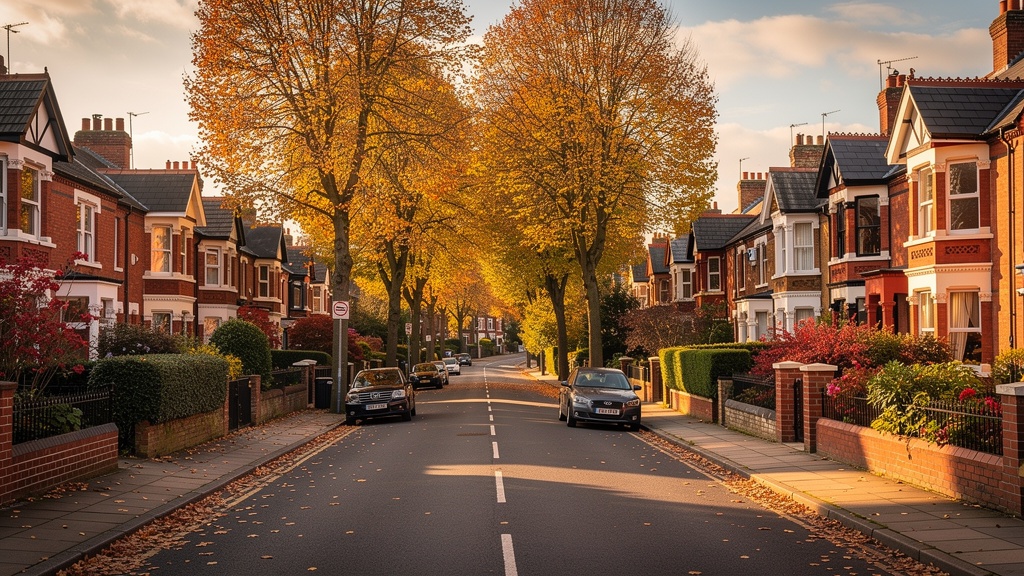
The housing stock in Wolverhampton is wonderfully varied. You'll find rows of Victorian and Edwardian brick terraces, many of which were built to house the city's industrial workforce in the late 19th century. Then there are the inter-war semis of the 1930s estates — solid homes with decent-sized gardens. And increasingly, new build developments on the city's outskirts are attracting buyers who want something modern and move-in ready.
Each type of property comes with its own quirks, risks, and maintenance considerations — which is exactly why a property survey is so important.
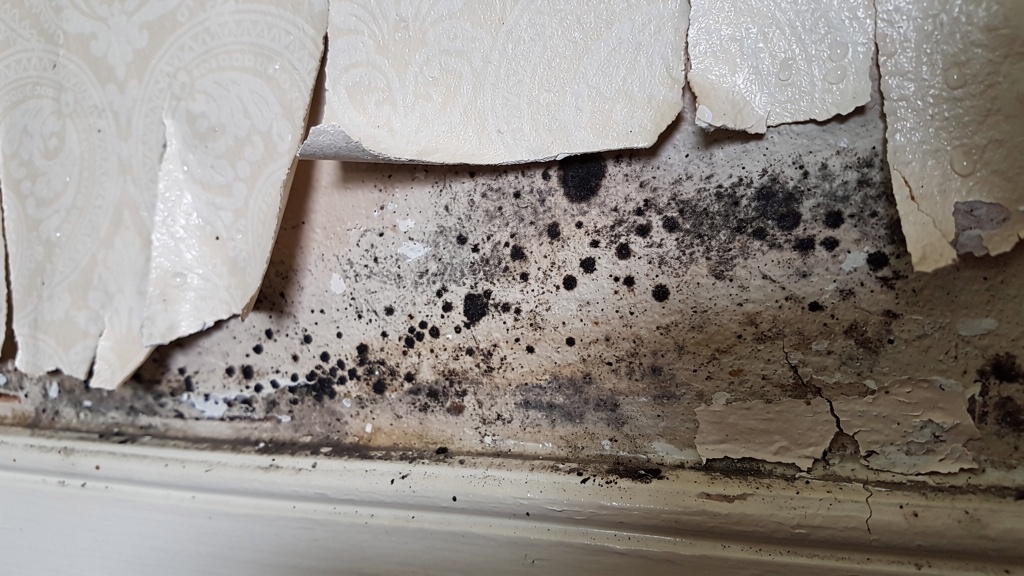
Local tip: If you're looking at Victorian terraces in areas like Whitmore Reans or Blakenhall, be especially alert to damp and drainage issues. These are some of the most common findings in our surveys of properties in these neighbourhoods.
Before you start viewing properties, you need to have a clear picture of your budget. That means speaking to a mortgage broker (not just your bank — a broker can access the whole market) and getting a Mortgage in Principle (MIP). This is a document that confirms how much a lender is likely to offer you. It won't commit you to anything, but it shows sellers you're a serious buyer.
Don't forget to budget for the extra costs of buying. These include:
As a rough rule, budget for around 2–4% of the purchase price in additional buying costs, on top of your deposit.
Let me tell you about a client I'll call Emma. She bought a charming 1930s semi in Wolverhampton a few years back. The estate agent's valuation looked fine. The property looked fine on the viewing. She decided to skip the survey to save money.
Six months after moving in, she discovered rising damp in three rooms, a leaking flat roof extension, and electrical wiring that needed complete replacement. Total repair bill: over £22,000.
Would a survey have caught all of this? Almost certainly. Would it have saved her money? Without a doubt. The survey would have cost her £395. The repair bills cost her 55 times that amount.
I tell this story not to frighten you, but because it's entirely preventable — and variations of Emma's story play out every year across Wolverhampton.
"The most expensive survey is the one you didn't get." — a phrase I repeat to every first-time buyer who asks me whether they really need one.
A mortgage lender's valuation is not a survey. It's a brief assessment to confirm the property is worth the mortgage amount. It's done for the lender's benefit, not yours. It will not tell you about damp, structural movement, roof condition, or dozens of other issues that could cost you thousands.
For most first-time buyers in Wolverhampton, the RICS Level 2 HomeBuyer Report is the right choice. It's thorough enough to catch the vast majority of significant issues, written in accessible language with a traffic-light rating system, and priced competitively.
However, if the property you're buying is:
...then you should seriously consider a RICS Level 3 Building Survey. Yes, it costs more. But for an older Wolverhampton property, it can be the difference between discovering a problem before you buy and discovering it after.
Not sure which survey is right for you? We're always happy to advise — just get in touch and tell us about the property you're considering.
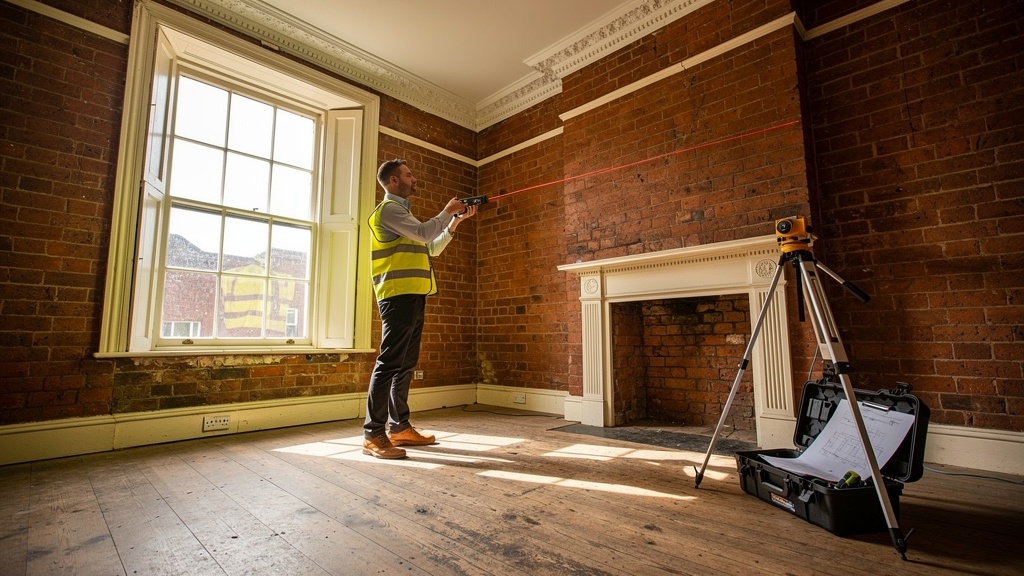
Once your survey is complete, you'll receive a written report. Our reports are designed to be read by people who aren't surveyors — not dense technical documents full of jargon. Each section of the property is rated with a condition code:
Don't panic if you get a Condition 2 or 3 rating on something. It's rare for a survey — especially on older properties — to come back completely clean. The key is understanding what the findings mean and whether they affect your decision to buy.
After receiving your report, you have several options:
Good to know: Many of our clients use survey findings to negotiate significant price reductions — often saving far more than the survey cost them. Our surveyors are happy to talk you through your options after receiving your report.
Exchange of contracts is the point where the deal becomes legally binding. Before exchange, you're not committed — either party can walk away. After exchange, you're committed to the purchase and a completion date is agreed.
Completion is moving day — the day the money transfers and you pick up the keys. In Wolverhampton, most completions happen on a Friday. Make sure you've arranged your removal van, utility transfers, and contents insurance before this date.
Between exchange and completion, avoid taking on any new credit. This can affect your mortgage offer and cause delays or even cancellations.
Yes. The lender's valuation is not a survey — it only protects the lender. You need your own independent survey to protect your interests as a buyer.
The average property purchase in England takes 3–6 months from offer accepted to completion. It can take longer if there are delays with searches, mortgage approvals, or a long chain. Surveys are usually carried out 1–3 weeks after offer acceptance.
Technically, yes — but we generally advise against it. The surveyor needs to focus on the inspection without being distracted, and some sellers may feel uncomfortable with the buyer present. However, we're happy to call you after the inspection to discuss our initial findings.