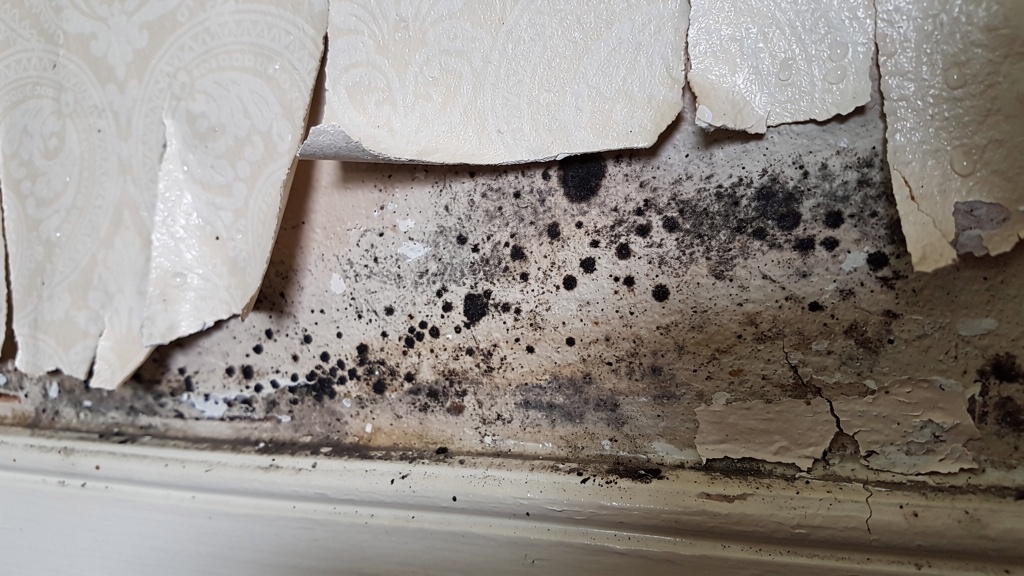
Damp is one of the most frequently identified issues in property surveys across Wolverhampton and the wider West Midlands. In my 18 years surveying properties here, I'd estimate that at least 40% of all the homes I've inspected show some form of damp-related problem. Yet many buyers don't even know it's there until I point it out.
The reason is simple: damp is often invisible until it becomes serious. Behind freshly painted walls, newly laid carpets, and fitted kitchens, moisture can be silently damaging a property for years. This article explains the different types of damp, how we find them during a building survey, and what the findings mean for you as a buyer.
In This Article
The Three Main Types of Damp in UK Homes
Not all damp is the same — and the type matters a great deal when it comes to repair costs and complexity.
1. Rising Damp
Rising damp occurs when moisture from the ground travels upward through the walls by capillary action. It's most common in older properties without a damp-proof course (DPC), or where the DPC has deteriorated or been bridged. The telltale signs include a tide-mark of salt deposits and staining on lower walls, peeling paint or wallpaper at low level, and a damp, musty smell.
In Wolverhampton, rising damp is most commonly found in Victorian and Edwardian terraces, particularly those that were built before damp-proof courses became standard practice. Repairs typically involve installing or repairing a chemical DPC, re-plastering affected areas with a specialist salt-resistant render, and addressing any bridging issues externally.
2. Penetrating Damp
Penetrating damp is caused by water getting through the fabric of the building — through the roof, walls, around windows, or via defective gutters and downpipes. Unlike rising damp, it can occur at any height in a building, including upper floors and ceilings.
Common causes include cracked or missing pointing in brickwork, defective flashing around chimneys, blocked or overflowing gutters, and failing window seals. In Wolverhampton's often wet climate, penetrating damp can develop quickly if maintenance issues aren't addressed promptly.
3. Condensation Damp
Condensation is the most common type of damp in UK homes — and often the most misdiagnosed. It's caused by warm, moist air hitting cold surfaces and condensing into water droplets, which over time can lead to mould growth. It's typically worse in bathrooms, kitchens, and poorly ventilated bedrooms.
Condensation is often confused with rising damp or penetrating damp — and some less scrupulous damp-proofing companies have been known to recommend expensive (and unnecessary) DPC treatment for what is actually a condensation problem. A qualified surveyor will know the difference.
Watch out: If a seller has recently repainted or re-plastered a room, this can temporarily mask damp. Our surveyors use moisture meters to detect damp behind fresh decoration — it's one of the most common ways we catch issues that aren't visible to the naked eye.
How Surveyors Find Damp: Our Toolkit
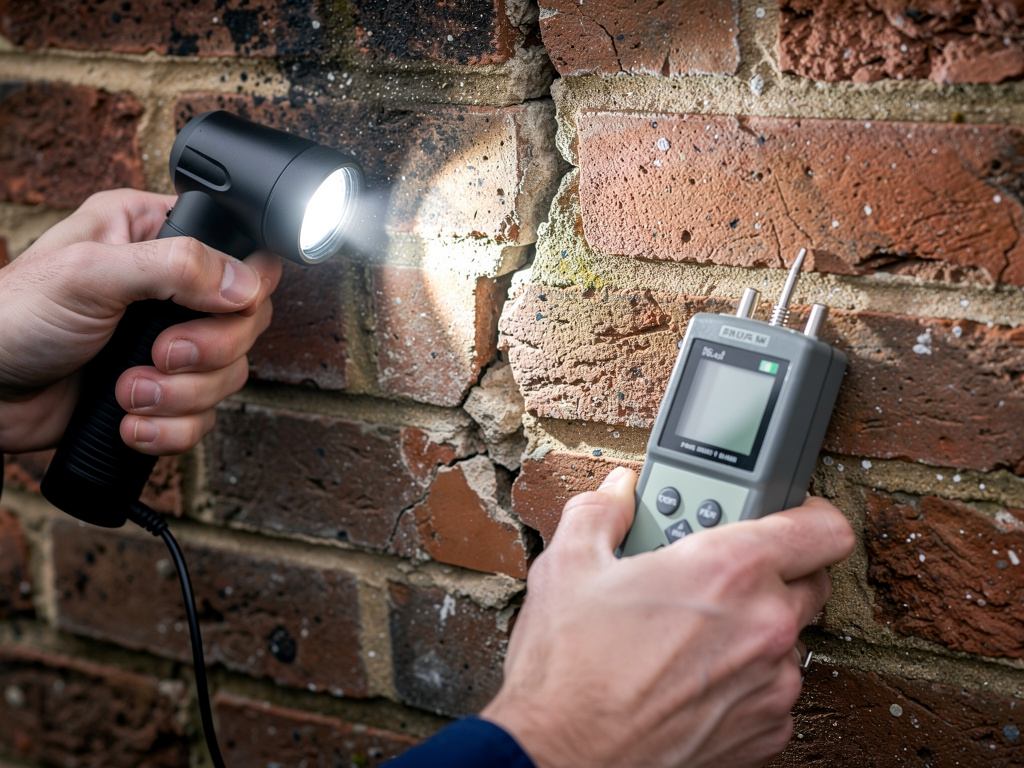
When I carry out a building survey or HomeBuyer Report, I use a combination of visual inspection and technical tools to identify damp:
- Moisture meters: These detect elevated moisture readings in wall plaster and timber, even where there's no visible sign of damp. An essential tool for every survey.
- Visual inspection: Staining, tide marks, salt deposits, mould growth, damaged plaster, and peeling decoration are all indicators of damp that I look for systematically.
- Smell: A distinctive musty or earthy smell can indicate damp in concealed areas — under floors, behind panelling, or in roof voids.
- Borescope camera: In some cases, a small camera can be inserted into gaps or cavities to inspect concealed areas without invasive opening-up works.
Where I can't confirm a finding conclusively due to limited access, I'll note it in the report and recommend further investigation by a specialist before exchange of contracts.
Damp in Wolverhampton Properties: What We See Most Often
Wolverhampton's housing stock means that certain damp issues come up time and time again in our surveys:
- Victorian terraces (Whitmore Reans, Blakenhall, Heath Town): Rising damp and penetrating damp through solid brick walls are very common in these properties. Many lack a functional damp-proof course.
- 1930s semis (Oxley, Bushbury, Penn): Cavity wall construction means penetrating damp is less common, but condensation and roof-related damp issues crop up regularly.
- Post-war properties (Heath Town, Low Hill): Non-traditional construction methods can complicate diagnosis. Defective rendering on no-fines concrete properties is a particular concern.
- Flat roof extensions: These are found on properties throughout Wolverhampton and are one of the most common sources of penetrating damp, particularly as they age.
What Does Finding Damp Mean for Your Property Purchase?
Finding damp in a survey report doesn't necessarily mean you should walk away. It depends on the type, severity, and likely repair cost. Here's a rough guide:
- Minor condensation: Usually addressed through improved ventilation (extractor fans, trickle vents) and is often a tenant or occupier behaviour issue rather than a structural problem. Low cost to resolve.
- Penetrating damp from gutters or pointing: Often straightforward to fix once the source is identified. Get quotes from a builder before exchange and use these to negotiate on price.
- Rising damp: Can be more expensive to treat properly (£500–£3,000+ depending on extent), but is well-established and often overstated in severity by some damp-proofing companies. Always get an independent assessment.
- Damp in roof spaces or from flat roofs: Costs vary widely. A minor flat roof repair might be a few hundred pounds; a full flat roof replacement could cost £3,000–£8,000+.
In all cases, my advice is to get specialist quotations before exchange so you can make an informed decision about the purchase price. Our survey report will give you enough information to do this effectively.
FAQs About Damp in Properties
It depends on the type and severity. Condensation is usually the easiest to address. Penetrating damp from gutters and pointing is often straightforward once the source is fixed. Rising damp can be more involved. The key is getting the right diagnosis before spending money on treatment.
Black mould (typically Stachybotrys chartarum) can cause respiratory issues, particularly for people with asthma, allergies, or weakened immune systems. It should always be properly treated — not just painted over. A damp specialist or environmental health professional can advise on safe remediation.
Yes. Our RICS Level 2 HomeBuyer Reports and Level 3 Building Surveys both include a thorough check for damp using moisture meters and visual inspection. We check all accessible areas, including roof voids where safe to do so.